Blood pressure5 min read
Understanding Blood Pressure Monitoring
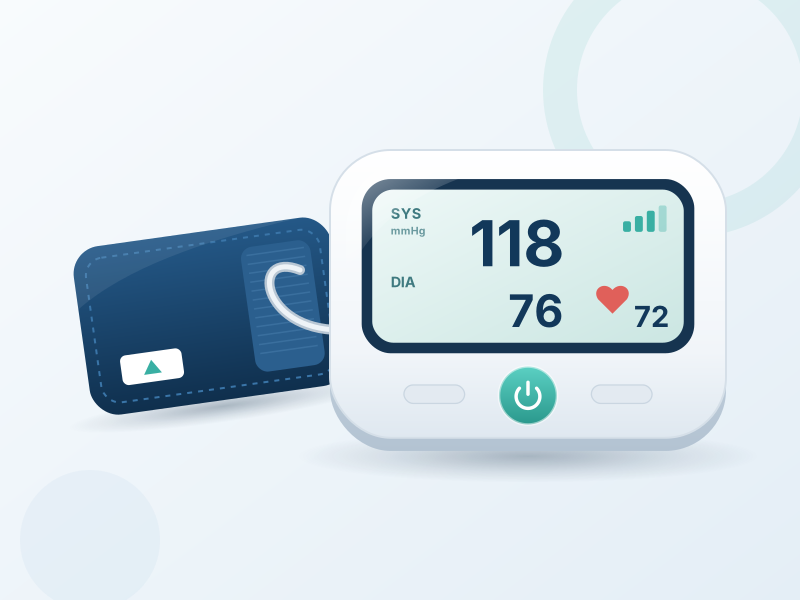
Blood pressure is the force of blood pushing against the walls of the arteries. A reading has two numbers: systolic (pressure when the heart beats) and diastolic (pressure between beats), measured in millimetres of mercury (mmHg).
Because blood pressure changes throughout the day, a single reading gives only a snapshot. Doctors often ask patients to take readings at home to see a more complete pattern.
Getting a consistent reading
- Avoid caffeine, smoking and exercise for about 30 minutes before measuring.
- Empty your bladder and sit quietly for around five minutes with your back supported and feet flat on the floor.
- Rest your arm on a table so the cuff is at roughly heart level, and use a cuff that fits your arm.
- Do not talk during the measurement. Take two readings about a minute apart and record both.
- Measure at similar times each day, as advised by your doctor.
What to do with your readings
Keep a written or digital record and take it to your appointments. Your doctor is the right person to interpret your readings and decide whether any action is needed. Seek urgent medical help for very high readings accompanied by symptoms such as chest pain, severe headache, shortness of breath or weakness.
Medical review pending. This article is general information and must be reviewed by a qualified healthcare professional before publication. It is not a substitute for professional medical advice.
Diabetes care6 min read
How to Use a Blood Glucose Meter
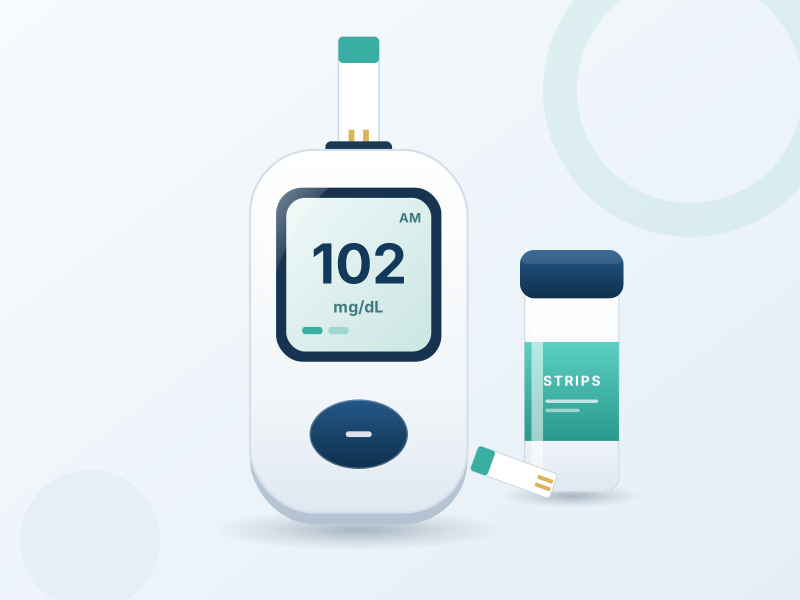
A blood glucose meter measures the amount of glucose in a small drop of blood. For people advised to test by their healthcare team, regular checks can help guide day-to-day decisions.
General steps
- Wash and dry your hands. Food residue on fingers can affect the result.
- Check that the test strips are within their expiry date and are the correct type for your meter.
- Insert a strip into the meter, then use the lancing device on the side of a fingertip.
- Touch the drop of blood to the strip as described in your meter's instructions and wait for the result.
- Record the result along with the time and any relevant notes, such as meals or activity.
Good habits
- Store strips in their original, closed container away from heat and moisture.
- Use a new lancet each time and never share lancing devices.
- Dispose of used lancets in a puncture-resistant container.
- Ask your healthcare team how often to test and what your target ranges are.
Always follow the instructions supplied with your specific meter, as procedures differ between devices.
Medical review pending. This article is general information and must be reviewed by a qualified healthcare professional before publication. It is not a substitute for professional medical advice.
Buying guide4 min read
Choosing the Right Home Healthcare Device
Home healthcare devices are most useful when they suit the person using them. Before choosing a device, it can help to think through a few practical questions.
Questions to consider
- Has the device been independently validated? For blood pressure monitors in particular, look for evidence of clinical validation and ask your doctor or pharmacist for advice.
- Does it fit? A blood pressure cuff must match the user's arm size to give useful readings.
- Is it easy to read and use? Large displays, simple buttons and clear instructions matter, especially for older users.
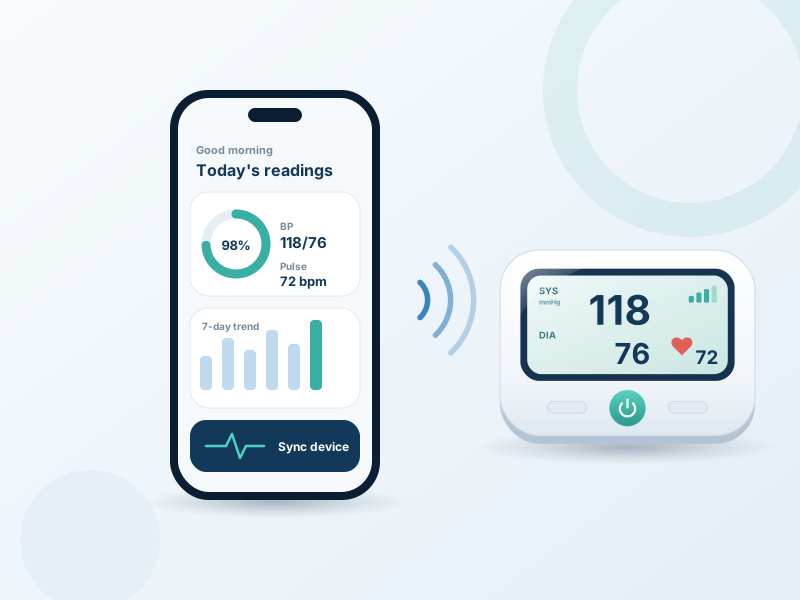
- How are readings stored? Consider memory, multi-user profiles and whether you want app connectivity.
- What support is available? Check the warranty, service options and availability of consumables such as strips and cuffs.
- How is data handled? For connected devices, read the privacy policy and understand where your data is stored.
If you are unsure which type of device is right for you, speak to your doctor, nurse or pharmacist.
Medical review pending. This article is general information and must be reviewed by a qualified healthcare professional before publication. It is not a substitute for professional medical advice.
Respiratory5 min read
Understanding Pulse Oximeter Readings
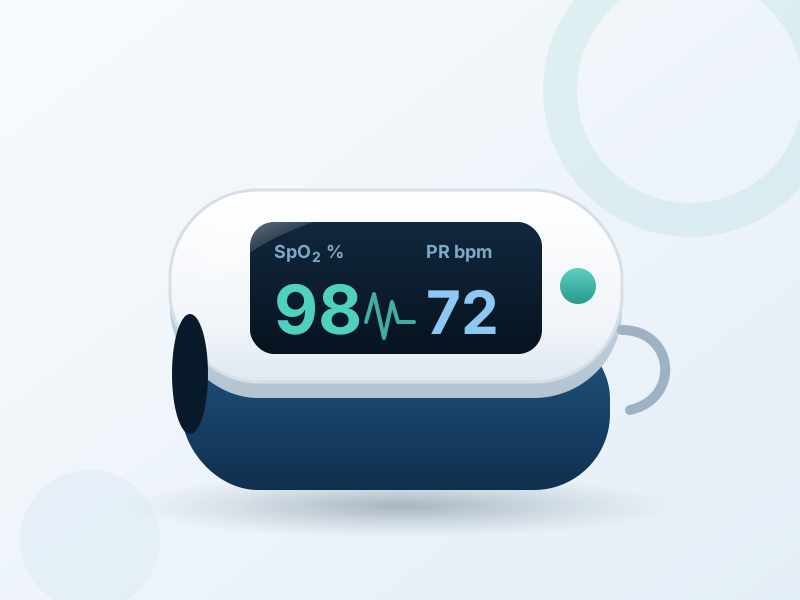
A fingertip pulse oximeter shines light through the finger to estimate the percentage of haemoglobin carrying oxygen, shown as SpO₂. Most devices also show pulse rate in beats per minute.
Taking a reading
- Rest for a few minutes beforehand and keep your hand still, warm and at chest level.
- Remove nail polish or artificial nails from the finger you are using.
- Wait until the reading is stable before noting it down.
What can affect accuracy
Cold hands, movement, poor circulation, bright ambient light, nail polish and darker skin pigmentation can all affect how accurately a pulse oximeter estimates oxygen levels. Consumer devices may also differ in accuracy from those used in hospitals.
When to seek advice
Your doctor can tell you what readings are expected for you. Do not rely on a pulse oximeter alone: seek prompt medical help if you have symptoms such as shortness of breath, chest pain, confusion or bluish lips, whatever the device shows.
Medical review pending. This article is general information and must be reviewed by a qualified healthcare professional before publication. It is not a substitute for professional medical advice.